How It Works

Home > How It Works
How It Works

How to Get Started (3-Step Process)

(1)
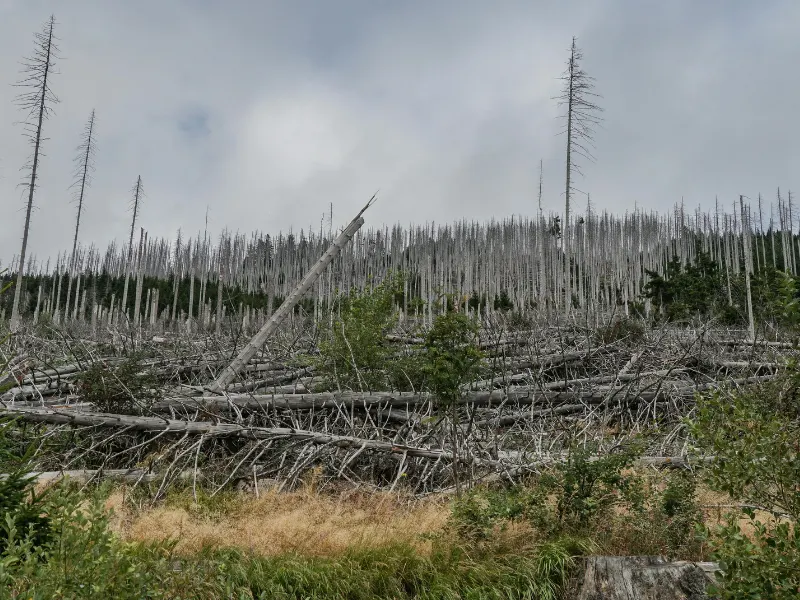
Choose Your Project Area
Identify the land you want restored, wildfire zones, mining sites, agricultural runoff areas, erosion corridors, or degraded soil. You provide the location and basic details, and we handle the ecological assessment.
(2)
Receive Your Restoration Plan
Our team analyzes terrain data, soil conditions, vegetation history, and ecosystem needs. You get a clear, customized restoration plan that outlines which methods we’ll use, drones, aircraft, seed pods, soil rejuvenation, plus the projected regeneration timeline.
(3)
Launch the Mission
Once approved, we deploy the required technology, drones, aircraft, and regenerative crops, directly on your land. You get ongoing updates, growth tracking, and transparent progress reports as your landscape begins to recover.

Drone Technology

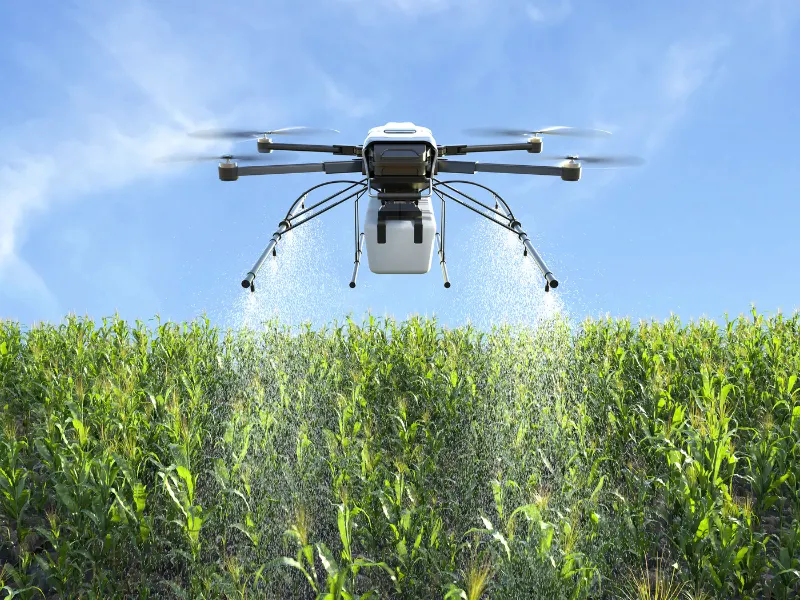
Across the world, degraded land is often too vast and inaccessible for traditional restoration crews. Our drone systems make these areas reachable again. Each aircraft follows detailed flight paths, surveying terrain and identifying high-potential planting zones.

Using GPS guidance, environmental sensors, and real-time mapping, drones place seed pods exactly where new vegetation has the best chance to establish. This approach allows rapid, low-impact restoration across large areas while minimizing disturbance to fragile ecosystems.

Aerial Reforestation (Light Aircraft)

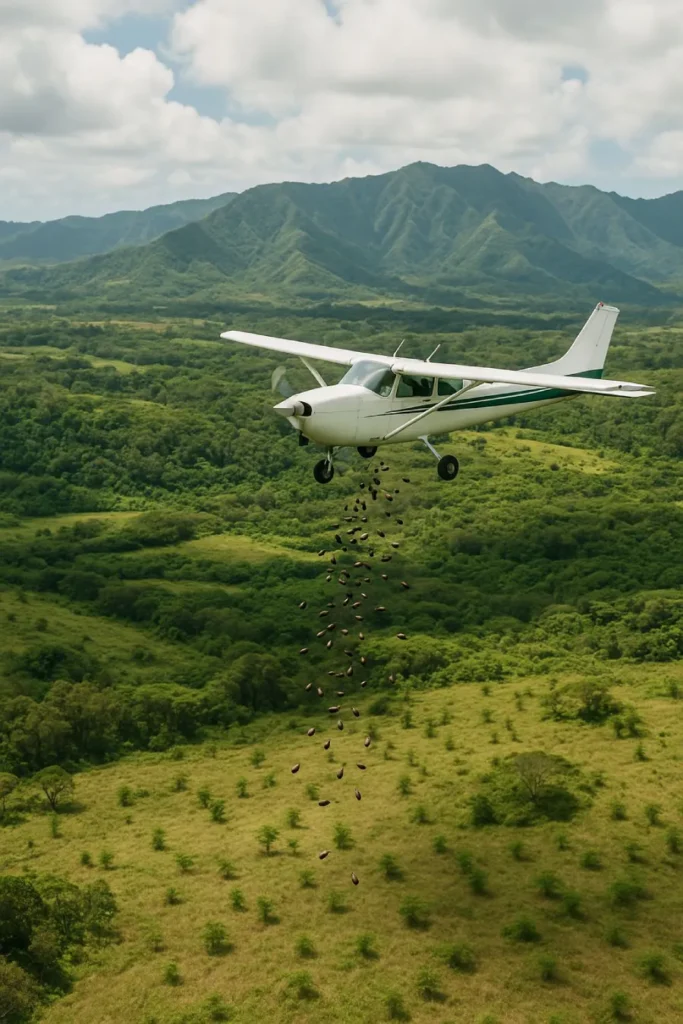
For extremely large regions, such as post-mining zones, wildfire scars, or remote valleys, drones alone aren’t enough. That’s where light aircraft aerial reforestation becomes essential.

Flying at low altitude, these planes can distribute tens of thousands of seed pods in a single pass, accelerating restoration efforts that would normally take years. The flight paths are pre-mapped, the drop patterns are controlled, and every mission focuses on density, coverage, and ecological suitability.

This method expands our reach to landscapes too massive for manual crews and too rugged for vehicles, making rapid ecosystem recovery possible at a global scale.

Seed Pod Design

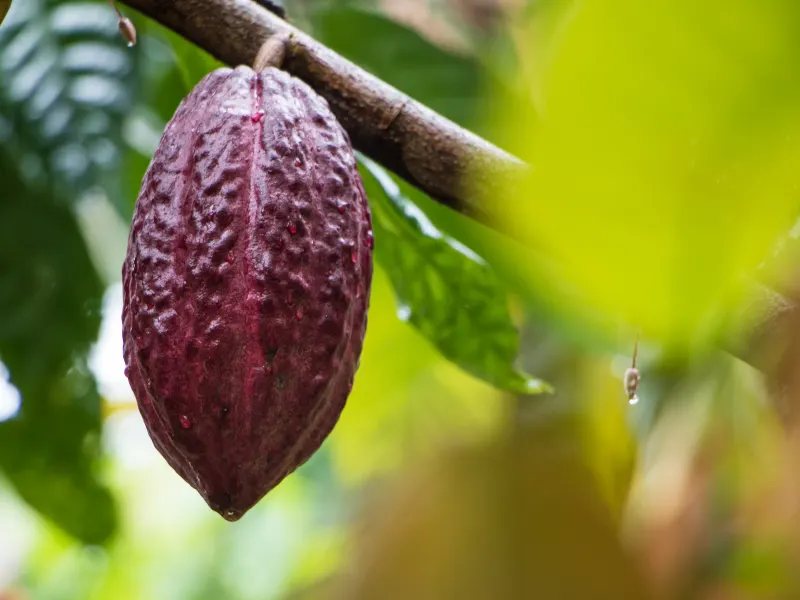
Each seed pod is engineered to protect and nourish young plants through their most vulnerable stages.

Inside the pod is a balanced blend of nutrients, soil, and moisture-retaining materials that support early root development. The outer shell shields the seed from heat, erosion, and wildlife until rain and soil conditions trigger natural breakdown.

This design allows reforestation to succeed even in harsh or degraded environments where traditional planting would fail.

Soil Rejuvenation (Hemp or Sunflowers)

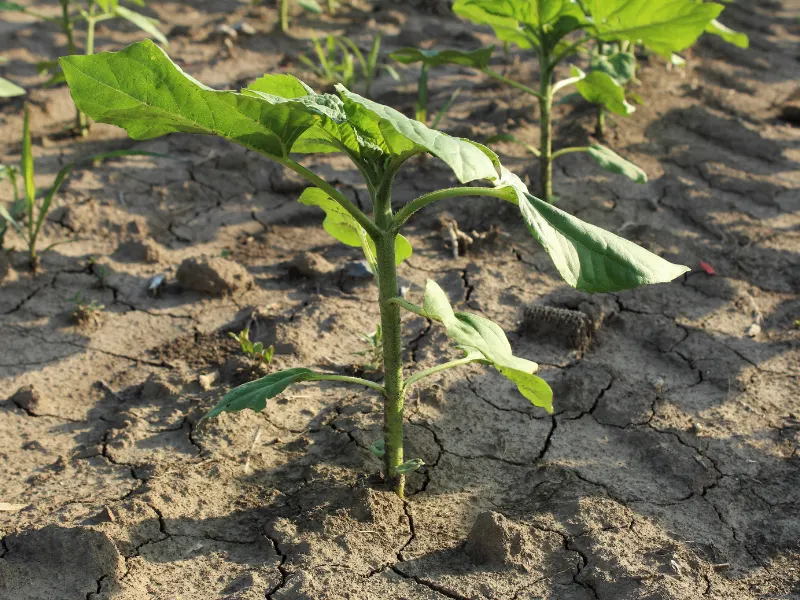
Some land can’t be restored until the soil itself is healed. In those cases, we begin with regenerative crops such as industrial hemp or sunflowers.

These plants are ideal for soil recovery because they

This stage lays the foundation for a healthy ecosystem. Once the soil is stabilized and revitalized, native tree species can be reintroduced through drones or aircraft.

Regeneration Timeline

Restoration follows a steady, trackable progression.
Our mission is to restore damaged landscapes at scale by combining advanced technology with nature’s own resilience.

Ready to Restore Your Land?